Self-Storage in Singapore for Home Renovations: What You Should Know


Key Takeaways
- Self-storage in Singapore helps households manage space early in a renovation, before work reduces usable areas faster than expected.
- Storing furniture and belongings off-site protects them from dust, damage, and prolonged exposure during renovation work.
- Using storage allows families to continue living at home with fewer disruptions by keeping only essential items within reach.
Introduction
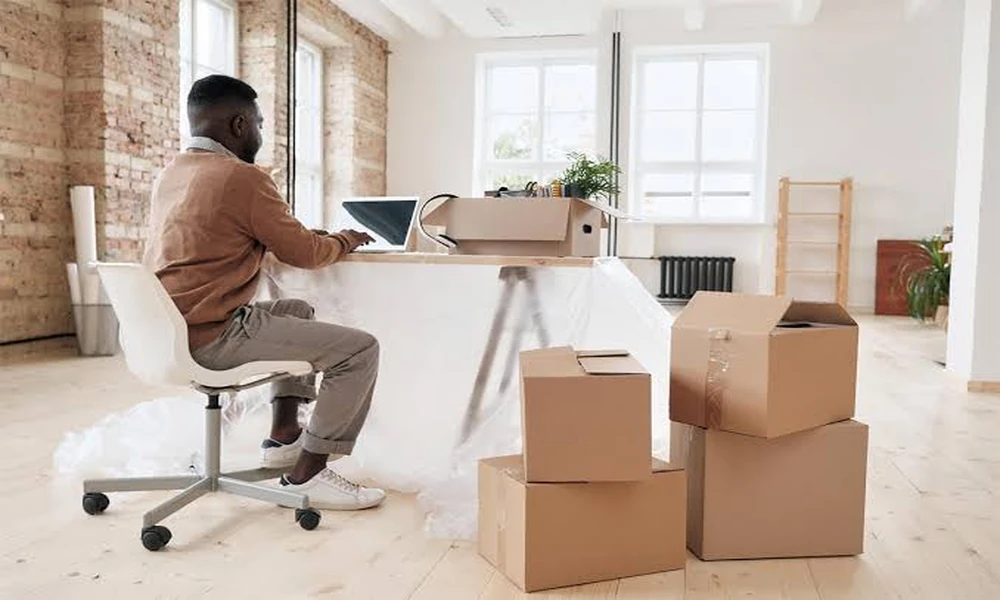
Renovating a home in Singapore can be an inconvenience, with boxes stacked up and daily routines stretched around dust, noise, and temporary walls. For people living through renovations in small homes or condos, space becomes the first problem to solve. At this stage, self-storage in Singapore is considered, as it is a practical way to keep everyday life running while parts of the home are unusable. It turns temporary disruption into something that feels planned rather than improvised, especially when renovation timelines stretch longer than expected and daily habits need stability.
1. Why Renovations Reduce Space Faster Than Expected
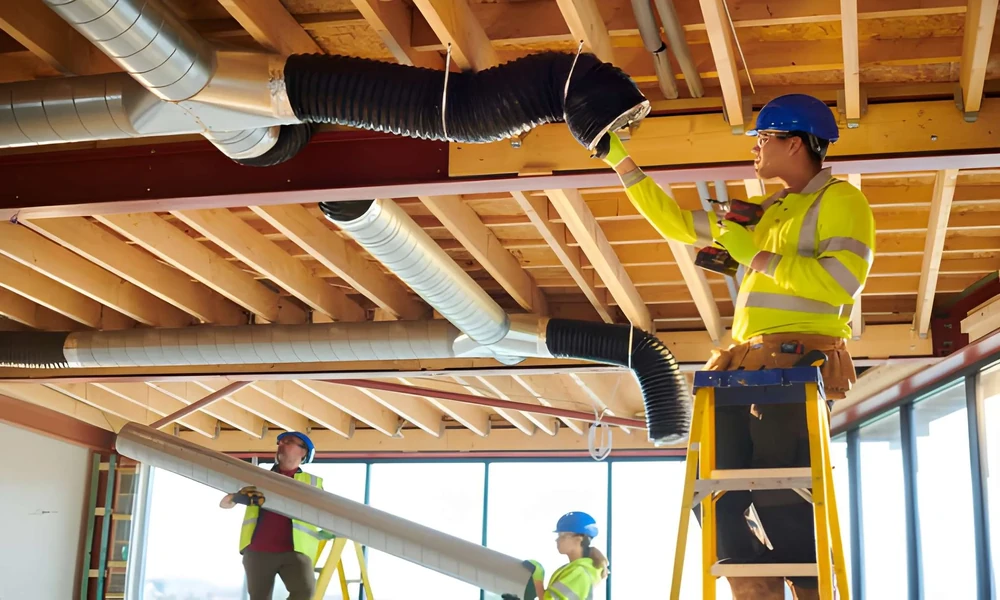
Renovation work starts before items are fully moved out, as contractors need room to work, materials arrive early, and cleared areas quickly turn into holding zones. Even with careful planning, rooms shrink faster than expected once work begins and tools start moving.
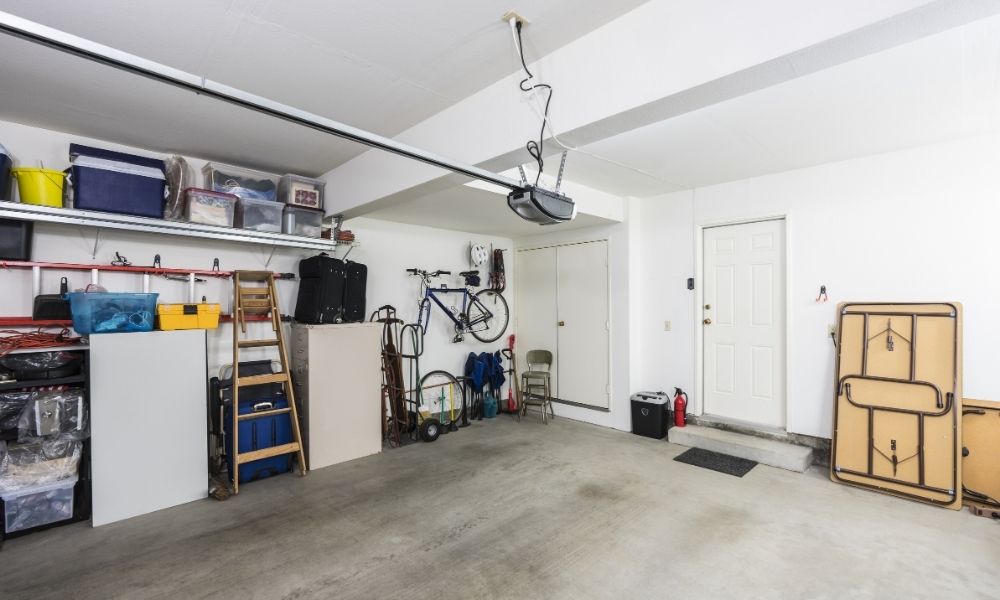
Using self-storage removes large items before renovation starts. Sofas, wardrobes, and dining sets leave the home completely, giving contractors clear access and reducing constant reshuffling. This helps work move forward smoothly while keeping remaining spaces functional for daily use and movement throughout the renovation period.
2. Staying at Home While Work Continues
Not every household moves out during renovation, as many stay to manage costs or remain close to work and school routines. In these situations, usable space becomes essential for rest, meals, and work, even when rooms are partially unavailable.
Storing non-essential items elsewhere helps preserve limited living areas. With fewer obstacles, movement becomes easier and routines feel less disrupted. Self-storage supports daily comfort by keeping only what is necessary within reach during the renovation period.
3. Protecting Belongings During Renovation Work
Dust, moisture, and accidental impact are common during renovation projects, and covered furniture can still attract fine debris, with prolonged exposure affecting surfaces and fittings. Living alongside renovation work often means worrying about damage that happens slowly and unnoticed.
Self-storage in Singapore creates physical separation between belongings and construction. Items stay sealed away from noise and debris, reducing the need for constant checking, which allows households to focus on schedules and decisions.
LEARN MORE: Planning A Home Makeover? How Self-Storage Can Help!
4. Timing Storage With Renovation Phases
Renovations unfold in stages rather than all at once, with demolition, installation, and finishing each changing how much space is available. Items removed early may not be needed again until later.
Self-storage allows belongings to return gradually, where households can reintroduce items as rooms become ready, which prevents clutter and helps the home settle back into use naturally without rushing.
5. Considering Costs in a Renovation Budget
Renovation budgets often feel stretched, making storage fees easy to question. However, keeping items on site can slow work or lead to damage that costs more over time. Replacing furniture or repairing finishes adds pressure later.
Seen as part of renovation planning, storage fees become a temporary and predictable cost. They support progress and protect belongings during disruption rather than adding uncertainty to an already complex process.
6. Emotional Relief Through Physical Order
Renovations affect more than physical space, as visual clutter adds to stress, especially when homes feel chaotic for weeks. Boxes stacked in corners and furniture squeezed into walkways can make temporary living feel exhausting.
Moving items into storage changes the atmosphere quickly. Clear spaces reduce mental strain and create a sense of control. This emotional relief helps households cope with disruption while waiting for the home to return to normal, especially during longer renovation timelines.
Conclusion
Self-storage in Singapore plays a quiet role during home renovations by separating daily life from construction activity. It protects belongings, preserves usable space, and supports routines while homes remain in transition. Rather than solving renovation challenges outright, it helps households move through them with clearer boundaries and less disruption across each stage of work, from early demolition to completion, while maintaining comfort, familiarity, and daily stability throughout the renovation journey for residents managing change during extended renovation periods with minimal stress overall.
Contact Work+Store to rent a storage unit for everyday households managing temporary space challenges during home upgrades.