The Ultimate Room-by-Room Packing Guide for a Smooth Move
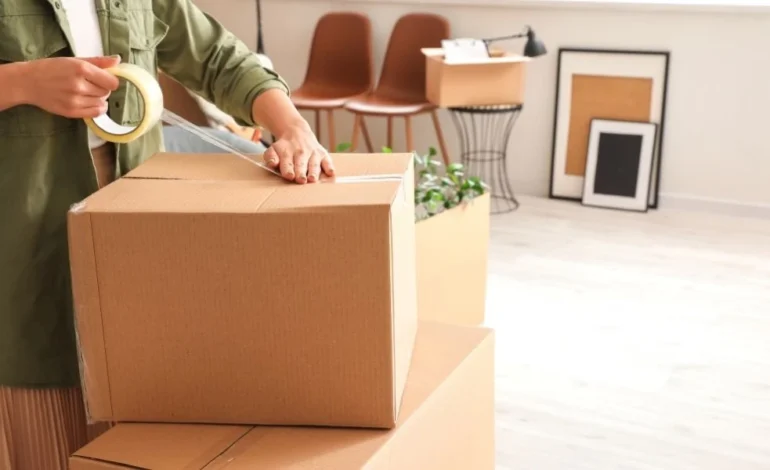

Moving house is a process that many people dread, and packing up is undoubtedly one of these parts. When you know how much you’ve collected over the years, it can seem like a daunting task! It’s very easy to become overwhelmed and leave everything till the last minute if you don’t have a plan.
Packing is much easier when doing it room by room. You can break the task of the house down into smaller jobs and get to work gradually every day. This also helps in keeping possessions organised and unpacking will be easier when you move in.
Begins at the least used rooms.
The easiest places to pack are unused areas, like closets and pantry shelves. Disposable toys, clothes, shoes, and other belongings in guest bedrooms, storage cupboards, garages, and spare rooms can be packed a few weeks before a move.
These spaces are a great way to start momentum building without changing your day-to-day routine. It can also help you to organize your cluttered belongings and determine which items you should bring with you to your new home.
It may not be necessary to move items that have not been used in years.
Packing the Living Room
Furniture, electronics, books, decorations and sentimental items are commonly found in living rooms. Start by filling the boxes with decorative items, artwork and books which are not required prior to the move.
Electronic devices such as television sets, video game consoles, and other electronics should be packed with care in their original boxes if available. If those boxes are not available, employ lots of protection wrapping and solid cartons.
Don’t forget to label cables and accessories. Just a few minutes spent organizing cords at the start can save lots of frustration in reconnecting later.
Organising the Kitchen
One of the most difficult rooms to pack is the kitchen, which has a lot of important things and fragile things.
Use appliances and dishes that aren’t used often. Any special occasion food items, additional kitchen tools and extra utensils can be prepared in advance.
Wrapping plates, glasses and ceramic items separately will reduce the likelihood of them breaking. It’s also a good idea to cluster like objects together and label boxes with fragile items.
Keep some plates, cups and cooking utensils out until the last couple of days before the move.
Packing Bedrooms Efficiently
Bedrooms generally are easy to pack if you do it systematically. Start with out of season clothes, spare bedding and those things in wardrobes or under the beds.
Consider using suitcases for heavier items such as books or shoes. That will make them more convenient to transport and will help maximize your luggage that might otherwise go empty.
If you are moving children to new bedrooms, get their input and help make it less stressful. Letting children bring some of what they want to their classroom can make them feel involved, in control.
Handling Bathrooms
There are lots of little things in the bathroom that can get lost when moving. Toiletries, medicine, cosmetics and personal hygiene items must be placed in clearly marked containers.
Before packing, inspect the expiration dates. When you’re moving, it’s a great chance to get rid of any old products that you no longer need.
Have a separate “essentials” bag with a few toothbrushes, soap, towels, medications, and other essentials for the first night in your new residence.
The police department in charge of city policing.
When packing office supplies, it is especially crucial for home-based workers to plan carefully.
Important files should be backed up prior to removing computers and electronic devices. Keep chargers, cables and accessories in labeled bags or boxes for easy retrieval after moving.
Pack documents that include financial or personal information securely and ensure they are easily accessible during the move.
Cleaning Out the Storage Areas and Garage.
Some of the toughest items to pack are found in the garage, shed, or storage room. Items such as tools, gardening equipment, sport materials, and seasonal items tend to build up and can take many years to accumulate.
Take the opportunity to sort through these areas thoroughly. In many cases, broken equipment, unused items and extra clutter can be eliminated before the move day.
Packing tools or heavy equipment with smaller boxes to make lifting safe and secure without causing the box to be too heavy.
Label Everything Clearly
No matter which room you’re packing, labelling is one of the most valuable steps you can take.
All boxes should have a label with the room that will be placed in, and a short description of what the box will contain. Kitchen – Glassware,” or “Main Bedroom – Winter Clothing” type labels help to make it much more efficient to be able to get the items out of their boxes and containers.
In some homes, they include coloured stickers on the inside of doors to design various rooms, which assists the moves with putting away boxes in the right rooms.
Smart packing is the first step in a Well-Planned Move.
The more organized you are in your packing, the easier moving day and unpacking will be. By preparing your belongings, you will also be able to keep them safe, save time and get settled in the house more comfortably.
If you’re thinking of moving with removalists on the Gold Coast, a professional might make the move even more seamless. A family and individual moving company that offers efficient moving service from packing preparation to moving day, including trusting support.