Roof Problems That Develop After Tropical Storms

In St. Petersburg, tropical storms are a familiar part of life. While many homeowners focus on preparing for high winds and heavy rain before a storm arrives, the real concerns often appear after the skies clear. Even when a roof looks intact from the ground, hidden damage can develop and worsen over time if left unaddressed.
From waterfront properties near Tampa Bay to neighborhoods throughout St. Petersburg, tropical weather can place significant stress on roofing systems. Understanding the most common roof problems that develop after tropical storms can help homeowners protect their investment and avoid costly repairs down the road.
Missing and Damaged Shingles
Wind Damage Often Starts Small
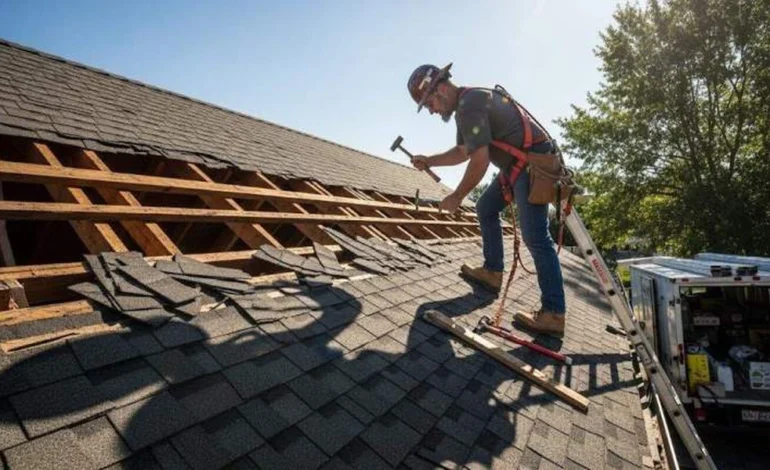
One of the most common roofing issues after a tropical storm is missing or damaged shingles. Strong wind gusts can lift roofing materials, break their seal, or tear them away completely. Even if only a few shingles are affected, the exposed areas become vulnerable to water intrusion.
In St. Petersburg, where tropical storms often bring sustained winds and sudden gusts, roof damage may not always be obvious. Homeowners should look for shingles that appear curled, cracked, loose, or missing entirely. Small issues can quickly escalate when Florida’s frequent summer rainstorms follow shortly after a tropical weather event.
Water Intrusion and Roof Leaks
Heavy Rain Can Exploit Hidden Weaknesses
Tropical storms often dump large amounts of rain in a short period. If a roof already has minor vulnerabilities, stormwater can find its way inside. Leaks may develop around flashing, vents, skylights, chimneys, or areas where roofing materials have shifted during high winds.
Many St. Petersburg homeowners don’t notice roof leaks immediately. Water can travel beneath roofing materials and appear inside the home days or even weeks later. Signs of hidden moisture include ceiling stains, peeling paint, mold growth, or musty odors in attics and upper living spaces.
Properties located near coastal areas often face additional challenges because persistent humidity can make moisture-related damage worse once water enters the structure.
Flashing and Structural Damage
Storm Stress Can Affect Critical Roof Components
Roof flashing plays a crucial role in preventing water penetration around roof transitions and openings. During tropical storms, wind-driven rain and flying debris can loosen, bend, or damage flashing components.
Beyond flashing, severe storms may also impact roof decking, underlayment, and structural supports. Falling tree limbs, airborne debris, and prolonged exposure to heavy rain can weaken roofing systems over time.
In neighborhoods throughout St. Petersburg, particularly areas with mature trees, storm-related debris is a common cause of roof damage. Even a small impact can create entry points for water and accelerate deterioration if not addressed promptly.
Gutter Problems and Drainage Issues
Poor Water Management Increases Roofing Risks
Tropical storms often overwhelm gutters with leaves, branches, and debris. When gutters become clogged, water may back up onto the roof instead of draining away properly.
Standing water can damage roofing materials, contribute to leaks, and increase the likelihood of fascia and soffit deterioration. For homes near the waterfront or areas prone to heavy rainfall, maintaining proper drainage is especially important after severe weather.
Routine inspections following a storm can help identify blocked gutters before they contribute to larger roofing problems.
Why Local Roofing Expertise Matters in St. Petersburg
St. Petersburg’s unique coastal environment presents roofing challenges that differ from many other regions. Tropical storms, high humidity, salt air exposure, intense UV radiation, and frequent summer thunderstorms all contribute to accelerated roof wear.
Local roofing professionals understand how these conditions affect different roofing materials and can identify storm-related issues that may be overlooked during a basic visual inspection. They are also familiar with local building codes, insurance requirements, and the specific weather patterns that impact homes throughout Pinellas County.
Whether a property is located near Downtown St. Petersburg, the Old Northeast neighborhood, Shore Acres, or closer to the Gulf beaches, having a roof evaluated by someone familiar with local conditions can help prevent minor storm damage from becoming a major expense.
Conclusion
Tropical storms can create a wide range of roofing problems, from missing shingles and hidden leaks to flashing failures and drainage issues. In a coastal city like St. Petersburg, where severe weather and high humidity are common, even seemingly minor damage can lead to significant repairs if left untreated.
After any tropical storm, homeowners should carefully inspect their property and consider scheduling a professional roof inspection. Early detection allows problems to be addressed before they compromise the integrity of the roof, helping protect both the home and the people living inside.
This post was written by Ted Williams! Ted is the owner of A Old Time Roofing, one of the best roofing companies in Saint Petersburg, FL! Ted is a Master Elite Weather Stopper GAF Roofing Contractor, a double award winner of Best Steep-Slope Contractor from GAF and achiever of Master Elite Consumer Protection Excellence from GAF. He has been serving the Pinellas County area since 1978. Old Time Roofing has a tradition of quality workmanship, servicing residential and commercial properties.