Planning Effective Fire Watch Security Coverage Schedules

Introduction
Fire watch security plays an important role when a building’s normal fire protection systems are unavailable or when activities create additional fire risks. An effective fire watch schedule ensures that trained personnel are present in the required areas at the right times. Careful planning helps maintain continuous monitoring, reduce gaps in coverage, and support a safer environment for workers, visitors, and property.
Reliable scheduling is especially important when fire watch duties must continue for extended periods or across multiple shifts. Professional fire watch security Burbank can support effective coverage by using organised staffing plans, defined patrol responsibilities, and clear communication between personnel. A well-structured schedule helps ensure that high-risk areas receive appropriate attention while allowing guards to maintain consistent monitoring and respond promptly when hazards are identified.
Understand the Site Requirements
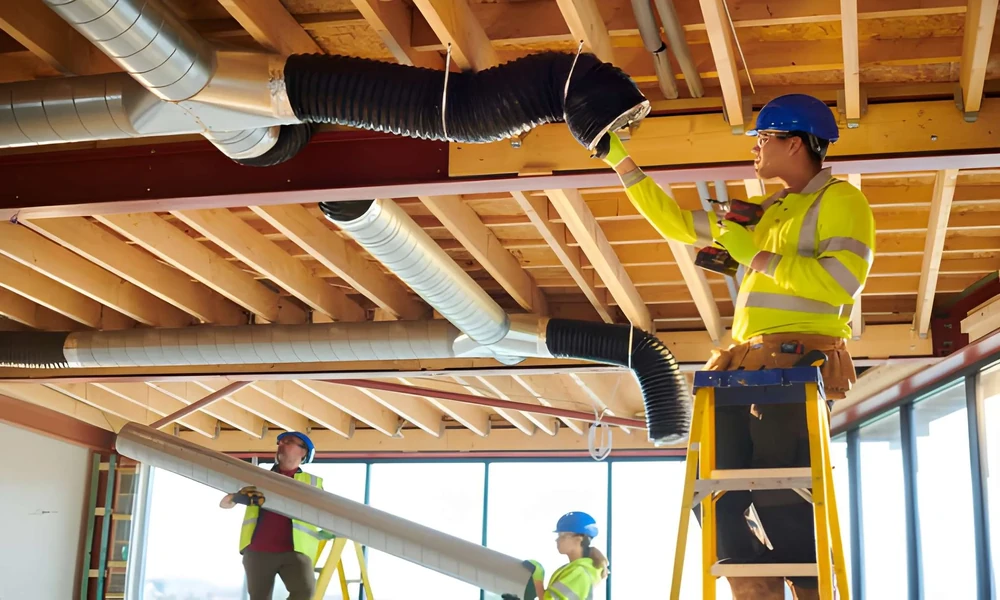
The first step in creating a fire watch schedule is understanding the specific conditions of the property. Building size, layout, number of floors, construction activities, hot work, stored materials, and available fire protection systems can all affect staffing needs. Reviewing these factors helps determine where guards are required and how frequently different areas should be checked.
Identify High-Risk Periods
Fire risks can change throughout the day. Welding, cutting, equipment repairs, cooking, electrical work, or other activities may create greater risks during specific hours. Schedules should provide stronger monitoring during these periods when necessary. Fire watch coverage should also account for times when workers leave the site, but hazards may remain.
Determine Appropriate Staffing
The number of guards needed depends on the size and complexity of the property. A small area may require limited coverage, while a large facility or construction site may need multiple guards. Staffing should allow personnel to complete required patrols without leaving important areas unattended. Backup arrangements may also be useful when a guard becomes
Unavailable.
Plan Regular Patrols
A fire watch schedule should clearly define patrol times and assigned areas. Guards should know which locations require regular inspection and what hazards they need to look for.
Allow Time for Handover
When fire watch coverage continues across multiple shifts, the schedule should include enough time for a proper handover. Outgoing guards should communicate hazards, incidents, ongoing work, and unresolved concerns to incoming personnel. Written records can support this process and help maintain continuity between shifts.
Include Emergency Procedures
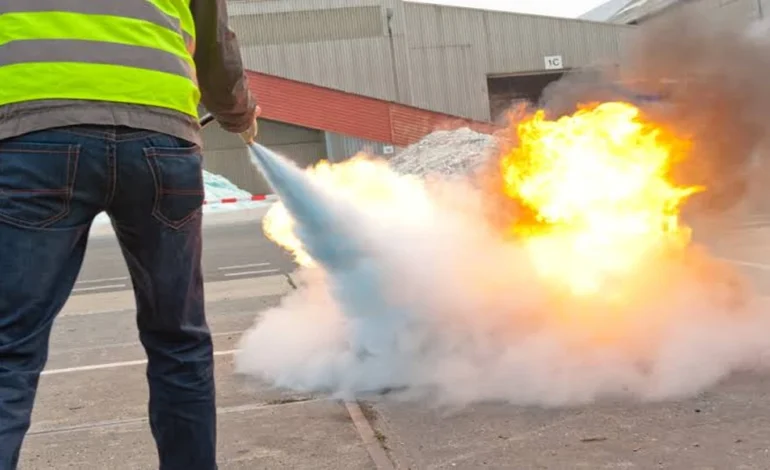
Every guard should understand what to do when smoke, fire, or another serious hazard is discovered. The schedule should support clear communication and ensure that personnel know who is responsible for reporting emergencies.
Adjust Schedules When Conditions Change
Fire watch needs can change because of construction progress, equipment repairs, weather, changes in occupancy, or other site conditions. Managers should review schedules regularly and adjust staffing or patrol frequencies when necessary.
Monitor Performance and Records
Supervisors should review patrol records, incident reports, attendance, and other relevant information. Regular reviews can identify missed patrols, repeated hazards, or staffing problems. These observations can be used to improve future schedules and maintain consistent fire watch coverage.
Conclusion
Planning an effective fire watch security schedule requires careful attention to site conditions, high-risk activities, staffing, patrols, shift handovers, and emergency procedures. Schedules should also remain flexible enough to respond to changing risks. By reviewing requirements regularly and maintaining clear communication, property managers can help ensure that fire watch personnel provide continuous and effective monitoring when additional fire safety coverage is needed.