Home Generator Installation: What to Know Before, During, and After
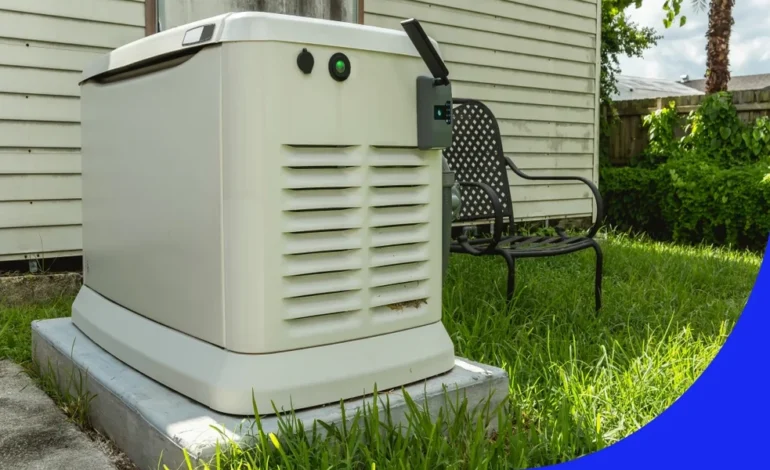

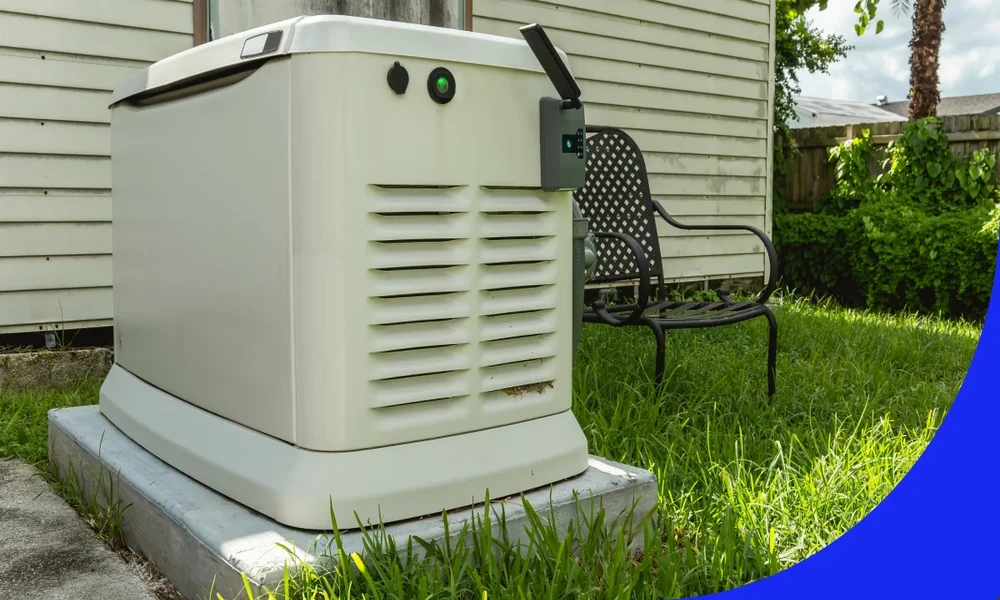
A home generator can keep essential systems running when severe weather or grid problems cause an outage. However, choosing and installing one requires more thought than simply picking a unit. Understanding generator sizing, electrical requirements, placement, installation, testing, and ongoing care can help homeowners make a safer and more practical decision.
Power outages can disrupt heating, cooling, refrigeration, lighting, internet access, and other important parts of daily life. A standby generator provides backup electricity automatically when utility power fails, making outages easier to manage. However, successful installation depends on proper planning and professional electrical work. Homeowners considering home generator installation in Des Moines should understand what happens before, during, and after installation. Generator size, electrical demand, location, fuel supply, transfer equipment, and testing all affect the final setup. Knowing what to expect can help you ask better questions, prepare your property, and keep your backup power system dependable.
Before Installation: Know Your Backup Power Needs
The first step is deciding what you want your generator to power. Some homeowners want electricity for only essential equipment, while others prefer backup power for much of the house.
Think about systems such as your refrigerator, furnace, air conditioner, sump pump, lights, outlets, and other important electrical equipment. Your priorities help determine the generator capacity you need.
An electrician can perform a load assessment to determine how much power your selected equipment requires. This is important because an undersized generator may struggle with demand, while buying more capacity than necessary can increase the installation cost without providing much practical benefit.
Choose the Right Generator Size
Generator capacity should be based on electrical load rather than the home’s square footage alone. Large appliances and mechanical systems may require considerably more electricity than lights and smaller devices.
Professional sizing helps account for both normal operating demand and the extra electricity some equipment needs when starting. Homeowners should therefore avoid selecting a generator based only on advertised wattage or assumptions about what their household uses.
Before making a decision, discuss which circuits and systems are most important during an extended outage. This gives the electrician a clearer picture of your backup power goals.
Prepare the Installation Area
Standby generators require a suitable outdoor location. Placement must account for safe operation, accessibility, electrical connections, fuel requirements, and applicable installation standards.
Keep the proposed area accessible before technicians arrive. Move outdoor furniture, garden equipment, or other items that could block the workspace.
You should also ask where the generator and related equipment will be located before installation begins. Understanding the layout helps prevent surprises once work is underway.
During Installation: What Homeowners Can Expect
A professional installation involves more than positioning the generator outside. The electrical system must be connected so backup power can be supplied safely when utility service is unavailable.
A major part of this process is the transfer switch. This equipment safely manages the transition between utility electricity and generator power.
For homeowners arranging home generator installation in Des Moines, the installation process may include generator placement, electrical connections, transfer switch installation, fuel-line coordination when required, and system setup. The exact work depends on the generator and the home’s existing electrical system.
Avoid attempting to modify electrical connections or generator components yourself. Generator installation involves high-voltage equipment and should be handled by qualified professionals.
Testing the Generator Before Completion
Testing is one of the most important final installation steps. The system should be checked to confirm that it starts correctly and supplies backup electricity as intended.
Your electrician should also explain how the generator operates and what you should expect when an outage occurs. This is a useful time to ask questions about warning indicators, maintenance needs, shutdown procedures, and anything else you do not understand.
Keep any operating information provided with the generator somewhere easy to find.
After Installation: Protect Your Investment
A standby generator may spend long periods waiting for an outage, but that does not mean it should be ignored. Routine checks and professional maintenance help keep the system ready for use.
Pay attention to unusual sounds, warning lights, difficulty starting, or other changes in normal operation. Addressing small concerns early may help prevent more serious problems when backup power is actually needed.
Keep the area surrounding the generator clear as well. Leaves, weeds, snow, stored belongings, and other obstructions should not interfere with safe access or normal operation.
FAQs
How do I know what size generator my house needs?
Generator size depends on the electrical equipment you want to operate during an outage. A professional load assessment can determine the appropriate capacity more accurately than estimating from home size.
Does a standby generator start automatically?
Standby systems are designed to provide backup power when utility service fails. The transfer equipment plays an important role in safely switching the home’s electrical supply.
Can I install a whole-home generator myself?
Generator installation involves electrical connections, transfer equipment, and potentially fuel connections. Professional installation helps ensure the equipment is properly sized, connected, tested, and ready for safe operation.
What should I ask before generator installation?
Ask about generator capacity, which household systems it will support, placement, transfer switch requirements, fuel needs, testing, maintenance, and how the system will operate during an outage.
What should I do once my generator has been installed?
Learn how the system operates, keep its surrounding area clear, follow recommended maintenance practices, and arrange service if you notice warning indicators or unusual performance.
What to Remember
Installing a home generator is an investment in reliable backup power, but getting the right results begins well before the equipment is switched on. Start by identifying which systems matter most during an outage and have your electrical needs professionally assessed. Proper generator sizing, safe placement, transfer equipment, correct connections, and thorough testing are all important parts of a dependable installation.
After the work is complete, learn how your generator functions and follow its maintenance recommendations. Do not wait until a major outage to investigate warning lights, unusual noises, or operating problems. Periodic attention can help keep the system prepared when utility power unexpectedly disappears. Working with qualified professionals for home generator installation in Des Moines can help ensure your backup power system is correctly planned, safely installed, properly tested, and ready to support your household when you need it most.