Tips for Choosing the Perfect Bathroom Vanity Size and Color
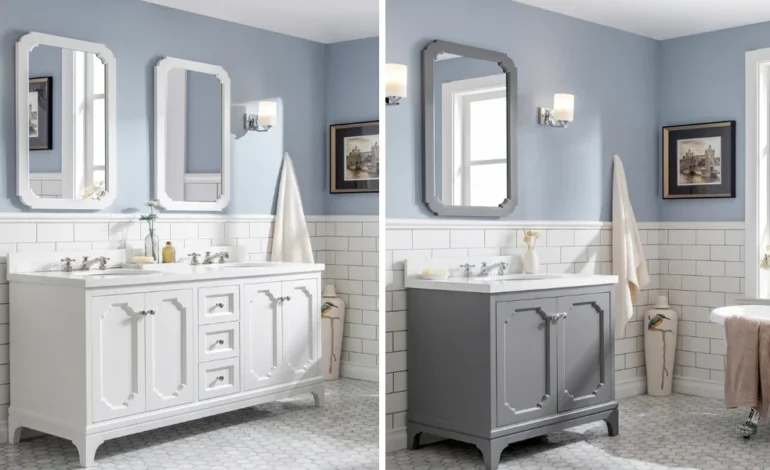

Selecting the right bathroom vanity can instantly transform a utilitarian space into a sanctuary of style and function. With hundreds of styles available, finding the perfect combination of size and color might feel daunting, but the real secret lies in balancing practicality with aesthetics.
Evaluating Bathroom Vanity Sizes: What Fits Your Space Best?
The foundation of any bathroom renovation starts with size. Measure your available space, then consider how your needs align with different vanity widths.
Compact Vanities (12″ to 28″): Benefits and Limitations
For small powder rooms or tight spaces, compact vanities are a lifesaver. Their main advantage is maximizing floor space, making even a cramped bathroom feel less crowded. However, the trade-off is limited countertop and storage capacity. These vanities work best where storage can be supplemented elsewhere or in guest bathrooms that only require the basics.
Medium-Sized Vanities (30″ to 48″): Versatility in Design and Function
Medium vanities strike a balance between storage, counter space, and footprint. They’re the workhorses of family bathrooms, offering enough room for daily essentials without overwhelming the room. Their design versatility accommodates everything from sleek, modern looks to more traditional, ornate styles.
Large Vanities (60″ to 72″ and above): Luxury and Storage Considerations
Large vanities deliver the wow factor, especially in master bathrooms. With generous storage, double sinks, and expansive counters, they enhance both function and luxury. The challenge? Ensuring there’s still ample walking space and that the vanity doesn’t dominate your layout.
Color Choices and Their Impact on Bathroom Ambiance
Color isn’t just about trendiness, it shapes the entire atmosphere of your bathroom.
Classic Whites: Timelessness vs. Potential Maintenance Issues
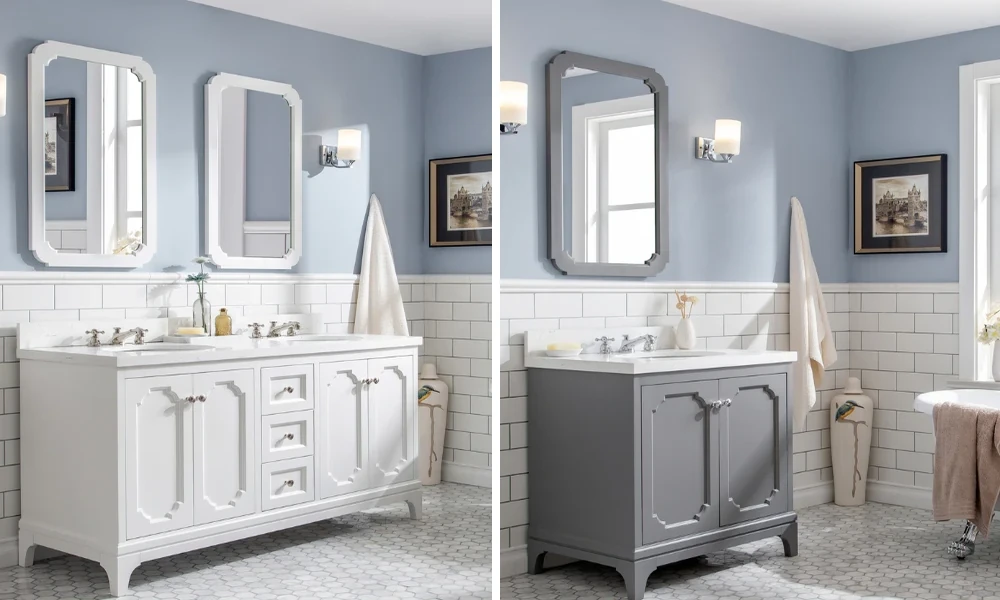
White vanities remain a perennial favorite for good reason. They reflect light, making small spaces feel larger and airier. On the flip side, white surfaces may show water spots and stains more easily, demanding more frequent cleaning to maintain their pristine look.
Bold Blacks and Greys: Modern Edge or Overpowering?
Black and grey vanities introduce a sophisticated, contemporary feel. They’re striking against pale walls and can anchor a minimalist design. However, in a small or poorly lit bathroom, these shades may absorb too much light, making the space feel confined unless balanced with lighter surfaces and effective lighting.
Natural Wood Finishes: Oak, Walnut, and Textured Options Compared
Wood tones bring warmth and organic texture. Oak and walnut finishes, especially those with pronounced grain or fluted details, can add subtle character without veering into rustic territory. Lighter oaks are ideal for Scandinavian or coastal vibes, while deeper walnuts add richness.
| Finish | Visual Impact | Best For | Maintenance Level |
|—————|———————–|—————————-|——————-|
| White | Clean, open, bright | All spaces | High |
| Black/Grey | Dramatic, modern | Larger, well-lit bathrooms | Medium |
| Oak | Airy, natural warmth | Relaxed, modern settings | Medium |
| Walnut | Deep, rich, elegant | Sophisticated, classic | Medium |
Vanity Types and Their Influence on Size and Color Selection
The structure of your vanity impacts both how much space you need and which colors pop best.
Wall-Hung Vanities: Space-Saving and Contemporary Appeal
Wall-hung vanities create the illusion of more floor area, making them especially valuable in compact rooms. Their floating effect works perfectly with bold colors or textured finishes, drawing the eye while keeping the space light.
Freestanding Vanities: Architectural Character and Flexibility
Freestanding vanities lend a sense of permanence and often feature more substantial storage. They’re adaptable to both modern and classic decors and allow for a broader palette, from glossy whites to dramatic wood textures.
Countertop Materials and Their Role in Coordinating Vanity Color
Countertops are more than just functional surfaces; they tie the vanity’s color into the overall scheme.
– Polymarble and Engineered Quartz: These are top picks for durability and style, offering crisp whites, subtle veining, or sleek black finishes to complement or contrast the vanity base.
– Ceramic and Solid Surface: Ceramic is practical and easy to clean, while solid surface counters add a seamless, modern look.
When selecting a vanity, consider how the countertop shade either harmonizes with the base (for a unified look) or contrasts for visual interest.
Single Sink vs. Double Sink Vanities: Matching Size and Functionality
Determining the number of sinks comes down to both space and household needs.
When to Choose a Single Sink: Space and Usage Factors
A single sink maximizes counter space on smaller vanities and is ideal for powder rooms or bathrooms shared by one person. It also creates an uncluttered appearance.
Double Sinks: Pros, Cons, and Size Requirements
Double sinks shine in shared master baths, minimizing morning bottlenecks. They require a wider vanity, typically at least 60 inches, so the room feels balanced and functional.
Comparing Styles and Finishes for Different Bathroom Types
Choosing the right style ensures your investment looks great now and years from now.
Powder Rooms: Maximizing Style in Small Spaces
Compact, wall-hung vanities in dramatic finishes (think black or walnut) can turn a small powder room into a jewel box without overwhelming the space.
Master Bathrooms: Balancing Size, Storage, and Sophistication
Go larger, splurge on double sinks, and embrace premium finishes. Consider incorporating textured woods or statement counters for a bespoke feel.
How to Harmonize Vanity Size and Color with Bathroom Decor
Your vanity should feel like a natural extension of the room, not an afterthought.
– Coordinate with flooring and wall colors for visual flow. For example, a grey vanity against crisp white tiles feels fresh, while oak tones can add warmth to cool-toned bathrooms.
– Select hardware, faucets, and lighting that echo or contrast with your vanity for a polished, cohesive look.
Practical Considerations: Budget, Installation, and Maintenance
While aesthetics matter, never lose sight of the practicalities.
– Price can range from under $500 for basic models to over $4,000 for designer vanities. Custom features, specialty finishes, and double sinks naturally drive costs up.
– Installation differs between wall-hung and freestanding models, so check if your wall can support a floating vanity or if you’ll need professional help.
– Maintenance varies with color and material: whites may require more cleaning, while textured or dark finishes can hide fingerprints and water spots better.
Finding your ideal vanity is easier when you have options. Exploring bathroom vanities from reputable suppliers ensures you see a full spectrum of styles, sizes, and colors, all backed by expert support and quality materials.
The perfect bathroom vanity isn’t just about looks or storage. It’s a blend of proportion, palette, and practicality that elevates your daily routine while reflecting your personal style. Choose thoughtfully, and every trip to the bathroom will feel like a small luxury.