New Home Construction? Don’t Overlook These Ductwork Planning Tips

Building a new home gives you the opportunity to make smart decisions that will affect your comfort for years to come. While homeowners often spend time choosing flooring, kitchen finishes, and lighting, the HVAC system deserves just as much attention. One of the most important parts of that system is the ductwork. Well-designed ducts help distribute heated and cooled air efficiently, improving comfort in every room while supporting better energy performance.
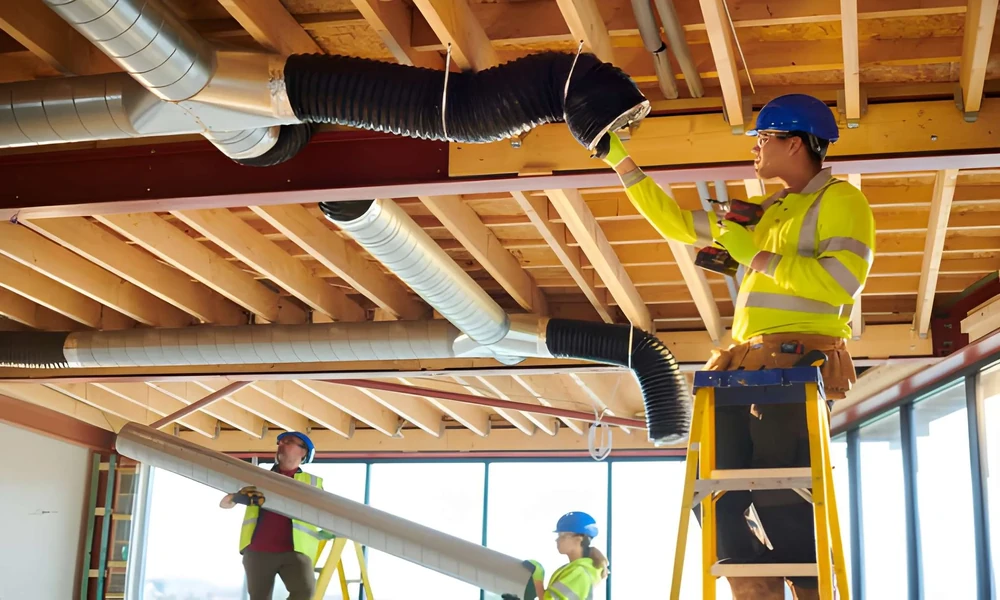
Planning your ductwork early in the construction process helps prevent costly changes later. If you’re working with HVAC professionals who specialize in duct installation Brentwood, TN, they can design a system that fits your home’s layout, supports balanced airflow, and allows your heating and cooling equipment to perform as intended from the very beginning.
The Importance of Planning Your Ductwork
Ductwork is responsible for carrying conditioned air from your HVAC system to every room in your home. Even the highest-quality heating and cooling equipment won’t perform efficiently if the duct system is poorly designed.
Proper planning helps create consistent temperatures throughout the house, reduces unnecessary energy loss, and allows your HVAC equipment to operate with less strain. Investing time in the design phase can also help avoid expensive modifications after construction is complete.
Design the Duct System for Your Home’s Layout
Every home has a unique floor plan, which means every duct system should be designed specifically for that space.
Factors such as room size, ceiling height, window placement, insulation levels, and the number of floors all influence how much conditioned air each room requires. A custom duct design helps ensure every area receives the appropriate airflow instead of relying on a one-size-fits-all approach.
Proper planning also reduces the likelihood of rooms that are consistently too warm or too cool.
Size the Ductwork Correctly
Choosing the correct duct size is one of the most important parts of HVAC design.
Ducts that are too small restrict airflow, making the HVAC system work harder to maintain the desired temperature. Oversized ducts can reduce air velocity and affect overall system performance.
Proper sizing allows conditioned air to move efficiently throughout the home while supporting comfort and energy efficiency.
Keep Duct Runs as Direct as Possible
The path your ductwork follows plays an important role in system performance.
Long duct runs with multiple bends increase air resistance, making it more difficult for conditioned air to reach its destination. Whenever possible, ducts should follow the most direct route while maintaining accessibility for future maintenance.
A well-planned layout helps improve airflow and reduces unnecessary energy loss.
Seal Every Connection Carefully
Even a well-designed duct system can lose efficiency if air escapes through small gaps.
Properly sealed joints and connections help prevent conditioned air from leaking into attics, crawl spaces, or wall cavities before reaching living areas. This improves comfort while reducing the workload placed on your HVAC equipment.
Professional installation helps ensure every connection is properly secured and sealed.
Choose the Right Duct Materials
Several types of duct materials are available, and each serves a specific purpose.
Rigid metal ducts are commonly used because they provide durability and allow air to move efficiently. Flexible ductwork can be useful in certain areas where space is limited, but it should be installed correctly to avoid unnecessary bends or sagging that can restrict airflow.
Your HVAC contractor can recommend the most suitable materials based on your home’s design.
Plan Supply and Return Vents Carefully
Balanced airflow depends on both supply vents and return vents working together.
Supply vents deliver conditioned air into each room, while return vents pull air back to the HVAC system for reheating or cooling. Poor vent placement can create uneven temperatures, pressure imbalances, and reduced comfort.
Planning vent locations early helps ensure every room receives consistent airflow throughout the year.
Don’t Forget About Insulation
Duct insulation plays an important role in maintaining air temperature as it travels through the system.
When ducts pass through unconditioned spaces such as attics, crawl spaces, or garages, insulation helps reduce heat gain during summer and heat loss during winter.
Proper insulation also helps improve overall system efficiency and reduce energy waste.
Leave Room for Future Maintenance
It’s easy to focus on installation during construction, but future maintenance should also be considered.
Avoid placing ductwork in locations that will be difficult to access after walls and ceilings are finished. Accessible ducts make inspections, cleaning, and repairs much easier over the life of the system.
Planning for maintenance today can save both time and expense in the future.
Consider Indoor Air Quality
Your ductwork does more than distribute heated and cooled air. It also affects the quality of the air your family breathes.
Properly designed ducts help support good airflow while allowing air filters to perform effectively. During the planning stage, homeowners may also choose to include whole-home air purification systems, humidity control, or improved filtration if those features fit their needs.
Considering indoor air quality during construction is often easier than adding these upgrades later.
Coordinate Ductwork With Other Trades
New home construction involves multiple contractors working on different systems at the same time.
Coordinating duct installation with plumbing, electrical, framing, and insulation crews helps avoid conflicts that could require costly adjustments. Early communication between trades keeps the project moving efficiently while protecting the integrity of the HVAC design.
Good coordination also reduces delays during construction.
Work With Experienced HVAC Professionals
Proper ductwork design requires careful planning and technical knowledge.
Experienced HVAC professionals evaluate the home’s layout, calculate airflow requirements, recommend appropriate duct sizes, and design a system that supports long-term comfort and efficiency.
Working with qualified professionals from the beginning helps ensure your HVAC system performs as expected after you move into your new home.
Conclusion
Ductwork may not be one of the most visible parts of a new home, but it plays a major role in everyday comfort, energy efficiency, and HVAC performance. Taking the time to plan the layout, size the ducts correctly, seal connections, insulate properly, and coordinate installation with the rest of the construction process can make a noticeable difference for years to come.
By addressing ductwork during the design stage instead of after construction is complete, homeowners can avoid unnecessary problems, improve system performance, and enjoy more consistent comfort throughout every season.